Is mesotherapy effective?
If you are considering mesotherapy, one of the most important questions to ask is is mesotherapy effective? The most accurate answer is that mesotherapy can produce useful results for certain concerns and in appropriately selected patients, but its effectiveness depends greatly on what is injected, why it is being used, how the treatment is performed and the individual patient.
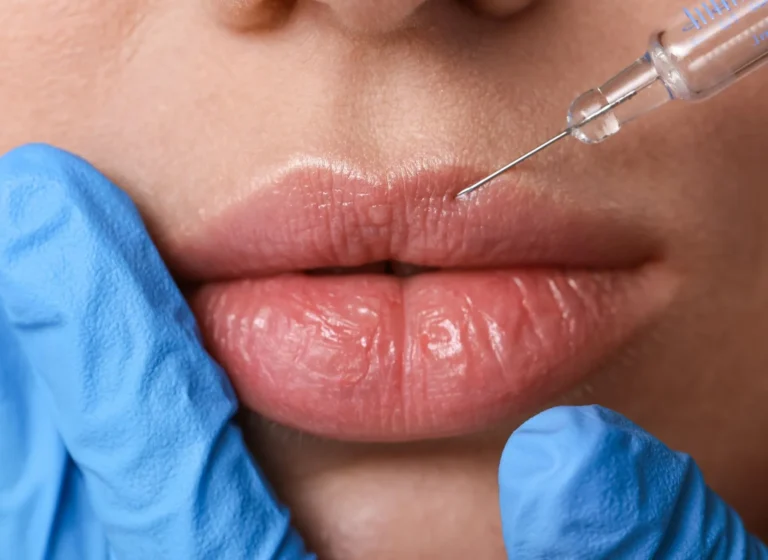
Mesotherapy is not one single treatment with one standard formula. It is a technique in which small quantities of selected substances are administered through multiple superficial injections into or beneath the skin. Different protocols have been investigated for concerns including skin quality, pigmentation and certain forms of hair loss. Because these protocols can involve different substances, concentrations, injection depths and treatment schedules, results from one type of mesotherapy cannot automatically be applied to every other type.
Research has produced encouraging findings for several applications, but the scientific evidence is not equally strong for every indication. Reviews of mesotherapy for hair loss, for example, describe promising outcomes while also highlighting the lack of standardised treatment protocols and the need for larger controlled clinical trials. Research concerning melasma has similarly reported beneficial results for selected injectable substances, while recognising that further studies are required to establish the most appropriate formulations and treatment intervals.
At Kings Medical Center in Dubai, mesotherapy is included among the aesthetic treatments available for skin quality and regenerative concerns, alongside other dermatological procedures.
Understanding whether mesotherapy is suitable for you therefore starts with identifying the problem you actually want to treat rather than simply asking whether mesotherapy “works” in general.
What is mesotherapy and how does it work?
Mesotherapy describes a technique in which small quantities of therapeutic or bioactive substances are introduced into the skin through multiple intradermal or superficial injections. The principle is to deliver the chosen substance directly to the area being treated instead of relying only on systemic administration or a product applied to the skin surface.
The substances used depend on the purpose of treatment. This is an important distinction because the word “mesotherapy” describes the delivery technique rather than one specific injectable product.
For example, studies investigating mesotherapy for hair loss have evaluated several different agents and combinations. A systematic review identified research involving substances including medications, growth-related preparations, autologous suspensions and other injectable solutions. The authors found that several studies reported improvements in hair growth but also noted major variation between protocols.
Research on pigmentation has investigated different formulations again. Studies of mesotherapy for melasma have examined substances such as tranexamic acid and vitamin C, meaning these treatments should not be considered equivalent to the formulations studied for hair loss or skin hydration.
In facial aesthetic treatment, mesotherapy may also be used with substances intended to support hydration or improve aspects of skin quality. A recent multicentre randomised controlled study investigating an injectable sodium hyaluronate-based formulation found improvements in measures including skin hydration and elasticity after three monthly treatments compared with an untreated control group.
For patients, the practical lesson is simple: asking “Does mesotherapy work?” is similar to asking whether an injection works without specifying what is being injected or what condition is being treated.
A proper consultation should therefore establish the diagnosis or aesthetic concern first. Only then can the clinician determine whether there is a suitable mesotherapy protocol and whether another treatment might be more appropriate.
Is mesotherapy effective for facial skin rejuvenation?
Mesotherapy is frequently discussed as a treatment for improving skin hydration, texture, elasticity and the appearance of fine changes associated with ageing. There is research suggesting that certain injectable protocols can produce measurable improvements, but the results should not be interpreted as proof that every mesotherapy formulation will achieve the same outcome.
A recent multicentre randomised controlled study involving adults with concerns such as skin dryness, dullness, enlarged-looking pores, reduced elasticity or fine wrinkles evaluated three monthly intradermal treatments using a sodium hyaluronate-based solution. Participants receiving treatment showed greater improvements than the untreated control group, including improvements in hydration and elasticity that remained detectable during follow-up.
Earlier consensus literature has also identified facial skin ageing as one of the areas in which intradermal therapy has been investigated clinically. At the same time, mesotherapy literature has historically been highly variable, and researchers have repeatedly highlighted the need for clear protocols and appropriate patient selection.
Patients should therefore maintain realistic expectations.
Mesotherapy does not replace every other aesthetic procedure, and it should not be presented as a treatment capable of completely reversing ageing. If your main concern is significant skin laxity, deeper wrinkles, loss of facial volume or another structural change, mesotherapy may not address the underlying problem sufficiently on its own.
On the other hand, when the objective is related to certain aspects of skin quality, a clinician may consider an appropriate injectable protocol after examining the skin.
It is also important to understand that improvement generally develops as part of a treatment course rather than instantly. Some clinical protocols involve several sessions separated by weeks, followed by reassessment.
At Kings Medical Center, the purpose of an aesthetic consultation is therefore to understand whether the concern is primarily related to hydration, pigmentation, texture, scars, volume or another issue before selecting a treatment.
Can mesotherapy help with hair loss?
Hair mesotherapy has attracted considerable interest, particularly for pattern hair loss, but patients should understand that hair loss has many possible causes and should ideally be assessed before treatment is chosen.
A systematic review published in 2022 evaluated 12 studies of mesotherapy for pattern hair loss, including controlled and observational research involving both men and women. The review found encouraging results but also highlighted variations in treatment protocols and the need for additional evidence.
A larger systematic review published in 2023 evaluated 27 articles concerning mesotherapy for hair loss. Several studies reported statistically significant improvements in hair growth, but researchers found substantial variation in the substances used and concluded that standardised treatment regimens are still lacking. They also emphasised the need for larger, controlled clinical trials.
This distinction matters because hair loss is not one condition.
Possible causes can include:
- androgenetic or pattern hair loss;
- temporary shedding;
- inflammatory scalp conditions;
- nutritional or medical factors;
- hormonal changes;
- certain medications;
- different forms of alopecia.
Mesotherapy that has been studied for one type of hair loss cannot automatically be assumed to work for another.
This is why attempting to diagnose hair thinning yourself and purchasing injectable substances online is inappropriate. Before any procedure, a clinician should consider the pattern of hair loss, scalp condition, medical history and other relevant factors.
There is also no single universally accepted “hair mesotherapy cocktail”. Research has investigated multiple agents, and the diversity of these formulations is one of the reasons evidence needs to be interpreted carefully.
At Kings Medical Center, hair and regenerative treatments form part of the broader aesthetic and dermatological services available. An individual assessment can help establish whether mesotherapy is appropriate or whether the underlying cause of hair loss requires a different approach.
Is mesotherapy effective for pigmentation and melasma?
Mesotherapy has also been studied in relation to melasma, a pigmentation condition that can produce persistent brown or grey-brown patches, particularly on facial skin.
Research in this area is encouraging for selected protocols, although melasma is a complex condition and recurrence can occur regardless of the treatment method chosen.
A review examining mesotherapy for melasma identified 33 relevant articles investigating intradermal administration of substances including tranexamic acid, vitamin C and other agents. The authors concluded that mesotherapy may have a role as an alternative or adjunctive approach in selected patients, while emphasising the need for larger studies to determine optimal concentrations and intervals between treatment sessions.
A subsequent systematic review and meta-analysis published in 2024 examined studies comparing tranexamic acid and vitamin C delivered using mesotherapy. Five studies involving 127 patients were included. Both approaches showed benefits in the studies reviewed, although the analysis did not find a significant difference in the change in melasma severity between the two groups.
These findings help explain why the answer to is mesotherapy effective for pigmentation needs to remain specific.
Mesotherapy may form part of a treatment strategy for certain pigmentation concerns, but patients should not assume that injecting any brightening substance will remove pigmentation.
Different pigmentation disorders can look similar but have different causes. What appears to be melasma may need to be distinguished from post-inflammatory pigmentation, sun-related changes or another dermatological condition.
DIY procedures are particularly inappropriate here. Attempting to inject whitening or brightening substances obtained online can lead to infection, inflammation, pigmentation changes and other complications.
At Kings Medical Center, treatments for concerns including melasma and skin brightening are available within the aesthetic and dermatological service range. The first step should be determining the nature of the pigmentation before deciding whether mesotherapy forms part of an appropriate plan.
How quickly can mesotherapy results appear?
The time required to notice a result depends on what is being treated and which mesotherapy protocol is used.
There is no medically meaningful rule stating that mesotherapy should always produce a visible result after one session.
Some treatments aim to influence skin hydration and quality, while others are designed around concerns such as hair growth or pigmentation. These biological processes develop at different speeds.
For example, the recent randomised study of a sodium hyaluronate-based facial mesotherapy protocol used three monthly treatments and assessed participants after the treatment course rather than relying solely on the appearance immediately after the first injection. Improvements in hydration and elasticity were measured during subsequent follow-up.
Hair-loss studies also commonly involve repeated treatment sessions and follow-up periods. Reviews of the available research show that protocols differ considerably in the number of sessions, intervals and substances used.
Pigmentation protocols similarly vary, and research has not established one ideal schedule for all patients.
This means patients should be cautious of promises such as “one treatment will transform your skin” or “you will see the final result immediately”.
Immediately after mesotherapy, temporary injection-related effects may also influence the appearance of the treated area. These can include redness, mild swelling, tenderness or bruising. Such reactions are different from the intended longer-term effect of treatment. Reviews of mesotherapy complications show that local reactions can occur and that safety depends partly on technique, injected substances and appropriate clinical practice.
A more useful approach is to agree on a realistic treatment objective, complete the recommended initial course where appropriate and then evaluate progress before deciding whether additional sessions are justified.
How many mesotherapy sessions may be needed?
There is no universal number of mesotherapy sessions because protocols vary according to the condition and injected substance.
This is one of the areas in which online information can be particularly misleading. Patients may see a recommendation for three sessions in one place and six or more in another, without realising that the treatments may involve completely different substances and objectives.
For facial skin concerns, one recent controlled study used three intradermal treatments performed monthly.
For hair loss, systematic reviews have found much greater variation across published studies. Different agents, dosages, injection techniques and schedules have been investigated, and researchers continue to identify the lack of standardisation as an important limitation of the available evidence.
Mesotherapy for melasma also lacks a single established protocol that applies to every patient. Reviews specifically call for additional studies to clarify ideal concentrations and intervals between sessions.
The appropriate number of sessions should therefore depend on:
- the condition being treated;
- the chosen injectable substance;
- the severity of the concern;
- the patient’s medical and skin history;
- how the patient responds to the first treatments;
- whether meaningful improvement is occurring;
- any adverse reactions;
- the treatment objective.
Importantly, a treatment course should not simply continue indefinitely because mesotherapy is considered minimally invasive.
After an initial series of treatments, progress should be reassessed. If the desired improvement has been achieved, additional treatment may not be necessary at that time. If little or no improvement is occurring, repeating the same procedure without reconsidering the diagnosis or treatment plan may not be appropriate.
At Kings Medical Center, the number and frequency of aesthetic procedures can therefore be discussed according to the individual clinical situation rather than a fixed schedule applied to everyone.
Why does mesotherapy work better for some people than others?
Even when two patients appear to have the same concern, they may respond differently to treatment.
The reason begins with the fact that mesotherapy itself is highly variable.
The injected substance, concentration, volume, depth, number of injection points and interval between treatments may all differ. Scientific reviews frequently identify this lack of standardisation as one of the major challenges when evaluating mesotherapy research.
The patient is another major variable.
For example, two people experiencing hair thinning may have different causes. If one has a condition that has been studied using a particular mesotherapy protocol while the other’s hair loss has a different underlying explanation, their outcomes should not be expected to be identical.
The same principle applies to pigmentation. Two patients may both describe their concern as “dark spots”, while one has melasma and another has post-inflammatory pigmentation. Treatment selection should follow the diagnosis rather than the description alone.
Skin quality also varies according to factors including age, natural skin characteristics, previous treatments and the severity of the concern.
This is why before-and-after images seen online should never be treated as a guarantee of your personal result.
It is also important to distinguish improvement from perfection. A treatment may produce a clinically meaningful change without completely eliminating a concern. Hair may become denser without returning to an earlier level, pigmentation may become less visible without disappearing entirely, and skin quality may improve without removing every line or pore.
A responsible consultation should therefore explain both the potential benefits and the limitations of mesotherapy.
Can mesotherapy have side effects?
Mesotherapy involves multiple injections, which means it should not be treated as if it were simply a topical beauty treatment.
A systematic review specifically examining mesotherapy complications found reports of adverse reactions of varying severity. Because mesotherapy includes many different injectable substances and there has historically been limited standardisation, the type of reaction can depend on both the injected material and the way the procedure is performed.
Temporary local effects can include symptoms associated with injections such as redness, swelling, tenderness or bruising. More significant complications have also been described in the medical literature, although their likelihood and nature depend on the specific protocol.
Research into hair mesotherapy has likewise documented adverse effects and stresses the importance of further controlled studies alongside evaluation of efficacy.
This is why patients should never attempt DIY mesotherapy.
Mesotherapy involves breaking the skin barrier and introducing substances directly into tissue. Attempting to reproduce this procedure using products purchased online can create risks related to sterility, incorrect substances, inappropriate concentrations, injection depth and unexpected reactions.
Applying a cosmetic product to the skin and injecting a substance into the skin are completely different actions. A product that is appropriate for topical use should never be assumed to be safe for injection.
Patients should also provide accurate information about medical conditions, allergies, medications, pregnancy or breastfeeding status and previous aesthetic treatments before undergoing injectable procedures.
If unusual or persistent symptoms develop after mesotherapy, the correct response is to contact the treating healthcare professional rather than attempting to manage the problem with home remedies.
Why is a consultation important before choosing mesotherapy?
The most important question before mesotherapy is not simply “Can I have it?” but “What exactly are we trying to treat?”
A patient may request facial mesotherapy because their skin looks tired, but examination may reveal that their principal concern is pigmentation, volume loss, acne scarring or skin laxity. Each problem may require a different treatment strategy.
Similarly, someone requesting hair mesotherapy may first need the pattern and possible cause of their hair loss evaluated.
A consultation provides an opportunity to review:
- the patient’s main concern;
- medical history;
- previous aesthetic or dermatological treatments;
- medications and relevant health conditions;
- the condition of the skin or scalp;
- realistic expectations;
- possible treatment alternatives;
- potential risks and aftercare.
This is especially important because mesotherapy is not one standardised treatment. Evidence supporting one injectable protocol should not be used to make broad claims about another completely different combination of substances. Scientific reviews of both hair-loss and pigmentation applications repeatedly highlight variation in treatment methods.
At Kings Medical Center, patients have access to a multidisciplinary clinical environment that includes dentistry, dermatology, aesthetic medicine and laser treatments. The practice describes its approach as focused on responsible care, modern technology and individual treatment planning.
That broader assessment matters because sometimes the most appropriate recommendation is mesotherapy, while in other situations another procedure or a combination of approaches may better address the actual concern.
Treatment should follow the patient’s needs rather than forcing every concern into the same procedure.
Conclusion: is mesotherapy effective?
So, is mesotherapy effective? The evidence suggests that selected mesotherapy protocols can produce benefits for certain conditions, including aspects of facial skin quality, some forms of hair loss and melasma. However, mesotherapy is not a single standardised treatment, and its effectiveness depends substantially on the substance used, the condition being treated, the technique and the individual patient.
Research into hair mesotherapy has reported promising improvements, but systematic reviews continue to emphasise the lack of standardised regimens and the need for larger controlled studies.
For melasma, research supports potential benefits from selected intradermal treatments, although ideal formulations and treatment schedules are still being investigated.
For facial skin quality, controlled research has shown encouraging improvements with certain mesotherapy formulations, including changes in hydration and elasticity after a planned treatment course.
The key is therefore correct patient selection and realistic expectations.
Mesotherapy should not be considered a universal solution for every skin or hair concern, and results should never be guaranteed. Before treatment, the problem should be properly evaluated and the advantages, limitations and potential side effects discussed.
Patients should also avoid home injection kits, unverified injectable products and DIY mesotherapy techniques. Introducing substances beneath the skin requires appropriate clinical knowledge, hygiene and an understanding of how to recognise and manage possible complications.
If you would like to know whether mesotherapy could be appropriate for your skin, pigmentation or hair concerns, contact Kings Medical Center to arrange an individual assessment. The team can evaluate your needs, explain the available options and develop a treatment plan based on your particular situation rather than a standard approach.
Kings Medical Center in Dubai Deira
Address: Al Rigga Business Center
Visit our Dental Area or Skin Area.